


Table of Contents
ToggleAI in Action: Agents, Models, and Market Impact
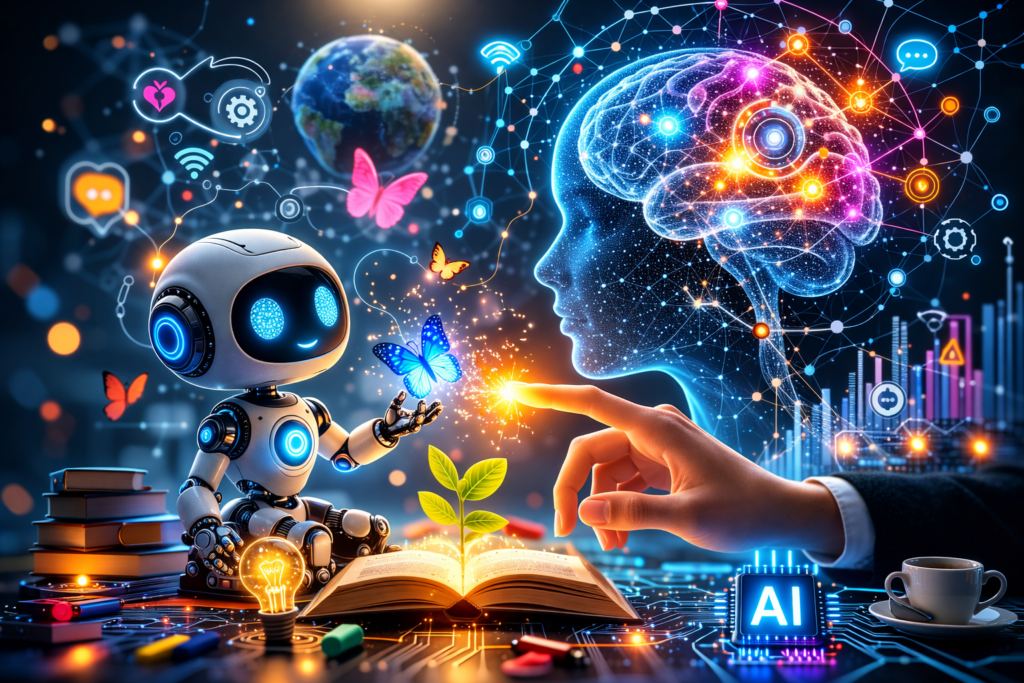
Artificial Intelligence has moved from a futuristic concept to a practical technology shaping modern industries. From automation and robotics to predictive analytics and intelligent assistants, robotics continues to redefine how organizations operate and compete. Businesses are increasingly investing in intelligent systems to streamline processes, improve decision-making, and enhance customer experiences.
One of the most significant developments in recent years is the rise of autonomous AI agents systems capable of making decisions and performing tasks with minimal human intervention. Combined with advances in machine learning, these technologies are enabling companies to analyze complex datasets, automate operations, and uncover insights that were previously impossible to detect.
This blog explores the evolution of technology in the modern era, key models, the growing importance of autonomous systems, and the role of neural networks in sectors such as intralogistics, market analysis, and trend forecasting.
.
The Evolution of Artificial Intelligence
Intelligent systems has undergone several transformative phases since its early conceptualization in the mid-20th century. Early Data science systems relied on rule-based programming, where developers manually coded instructions for machines to follow. These systems were limited because they could not adapt to new information or learn from experience.
Machine Learning
The introduction of machine learning dramatically changed the landscape. Instead of programming every rule, developers began creating algorithms capable of learning patterns from data. This shift allowed computer vision systems to improve their performance over time and handle complex tasks more efficiently.
Modern AI Systems
- Modern systems including machine intelligence are now built using deep learning, neural networks, and large-scale data processing. These advancements have enabled breakthroughs in areas such as:
- Natural language understanding
- Image and speech recognition
- Predictive analytics
- Robotics and automation
- Today, technologies around deep learning are integrated into countless applications, including recommendation engines, fraud detection systems, autonomous vehicles, and intelligent virtual assistants.
Understanding Machine Learning
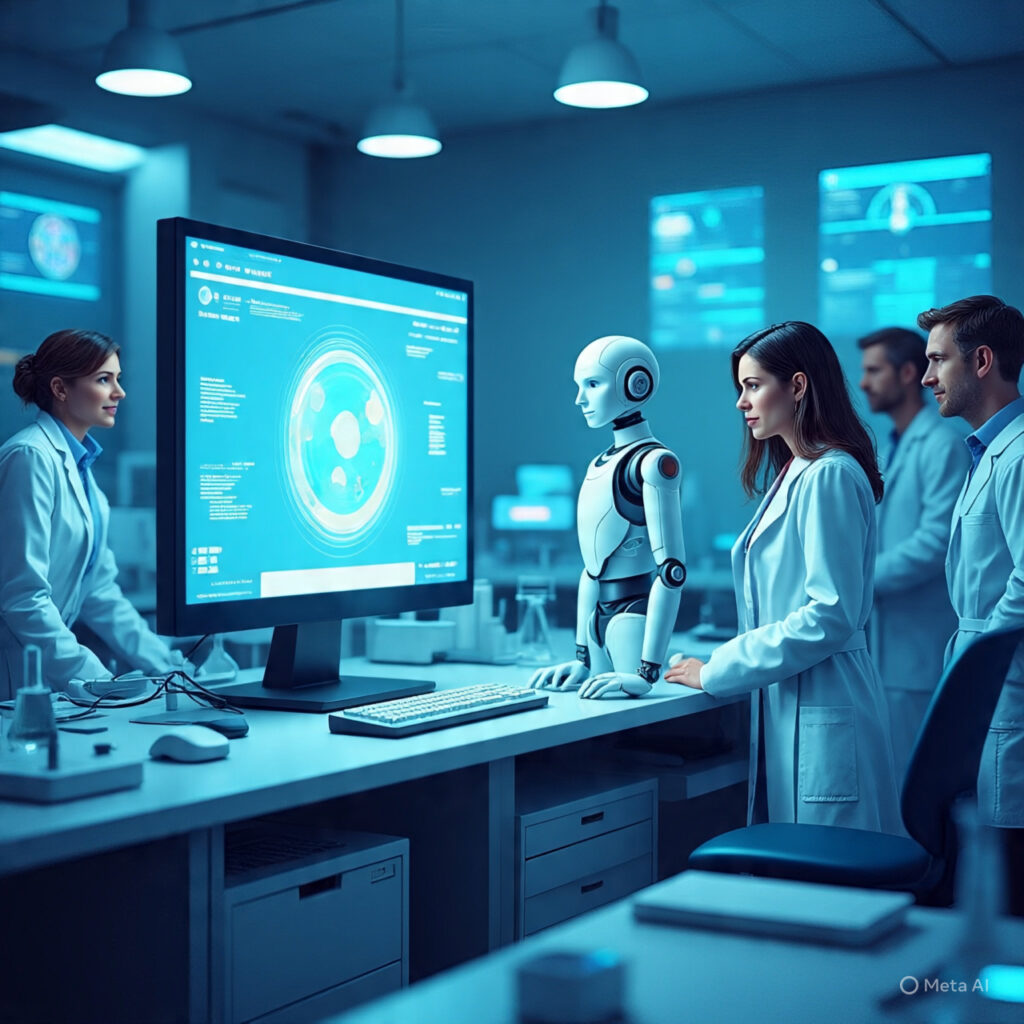
Machine learning is one of the most important in this era. It allows computers to learn from data without being explicitly programmed for every task. Instead of following rigid instructions, ML algorithms identify patterns and make predictions based on training datasets.
Three Primary Types
Supervised Learning
In supervised learning, models are trained using labeled data. For example, a model might learn to identify spam emails by analyzing thousands of emails that have already been categorized as spam or non-spam.
Unsupervised Learning
Unsupervised learning works with unlabeled data. The algorithm identifies hidden patterns or clusters without prior classification. This approach is commonly used in customer segmentation and anomaly detection.
Reinforcement Learning
Reinforcement learning involves training models through trial and error. The system receives rewards or penalties based on its actions, gradually learning the most effective strategies.
The Rise of Autonomous Agents
One of the most exciting developments in modern technology is the emergence of autonomous agents. These systems can perceive their environment, make decisions, and execute tasks independently. Digital marketing also revolutionized through digital intelligence systems and Marketing impact plays an important role in the growth of modern businesses. With new technologies and digital tools.
Unlike traditional systems that perform single tasks, autonomous agents can manage complex workflows. They combine machine learning, natural language processing, and reasoning capabilities to achieve specific objectives.
Examples of autonomous agents include:
Virtual assistants that schedule meetings and manage tasks
Automated trading systems that analyze financial markets
Customer service bots that handle inquiries without human intervention
Supply chain optimization agents that manage logistics operations
These AI agents can continuously monitor environments, analyze data, and take action based on real-time insights. As a result, organizations can automate repetitive tasks and focus on higher-value strategic activities.
Artificial Intelligence in Intralogistics
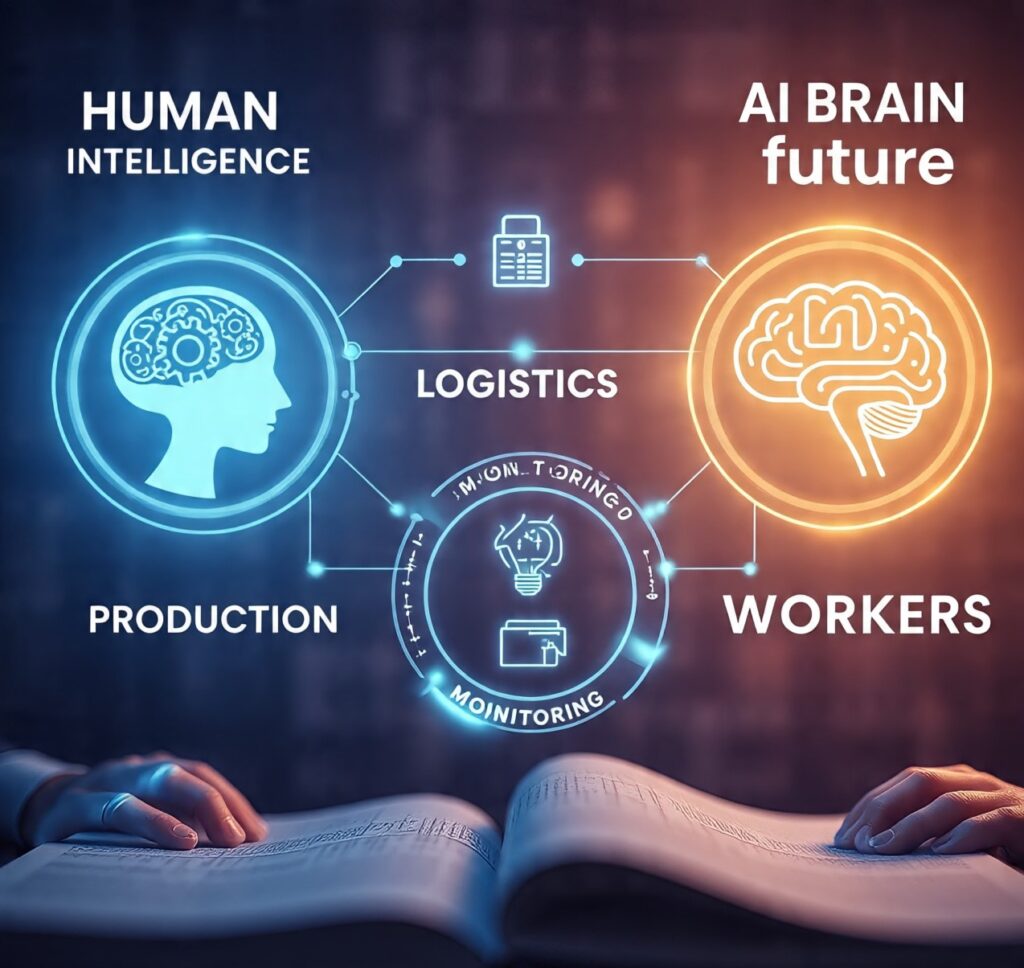
Intralogistics is also transforming which involves the internal movement, storage, and management of goods within warehouses.
Pros and Cons of AI
Level
Positive Impact of AI
Negative Impact of AI
Individual Level
• Individualized instruction and learning
• AI assistants boost efficiency • Health surveillance and early detection of disease
• Disability-friendly accessibility
• Uncertainty in employment due to automation
• An excessive reliance on technology
• Threats to privacy and data misuse
• Negative effects of digital overuse on mental health
Workplace / Business
Level
• Automating repetitive activities
• Quicker decision-making and analysis of data
• AI support for all customers
• New business models based on technology
• Job loss in numerous industries • The influence of algorithm bias on hiring or decisions
• AI systems’ vulnerabilities in terms of security
• Greater disparity between workers with and without skills
Industry level
• Advances in medicine and quicker drug discovery
• Robotics and intelligent manufacturing
• Increased agricultural output
• Systems of autonomous transportation
• Expensive implementation fees
• Relying on intricate technologies
• Potential for system failures in crucial areas
• Large tech companies’ dominance of the market
Global Level
• Research collaboration across borders
• Environmental protection and climate modeling
• Improved disaster response and prediction
• Global AI arms race
• AI-powered cyber warfare
• Difficulty regulating advanced AI globally
Societal Level
• Innovation and expansion of the economy
• Improved infrastructure and public services
• Acceleration of scientific investigation
• The creation of smart cities
• The digital divide among regions
• Concerns about ethics in AI decision-making
• The spread of false information produced by AI
• Dangers from mass surveillance
Conclusion
Ai is transforming industries by enabling machines to learn, analyze information, and solve complex problems from autonomous agents. Modern technologies are helping businesses improve efficiency, gain valuable insights, and enhance customer experiences.
As technology continues to evolve, its applications will expand across sectors such as logistics, finance, healthcare, and market analysis. Organizations that adopt and integrate these technologies effectively will be better positioned to innovate, remain competitive, and adapt to the rapidly changing digital landscape. Intelligence systems and marketing impacts go side by side in this era they influence every field of human life.






Comments (1)
1/Digital Marketing: Roadmap to successsays:
April 4, 2026 at 5:26 am[…] Artificial Intelligence is transforming Digital Marketing. Many business now use AI tools to automate and improve productivity. […]